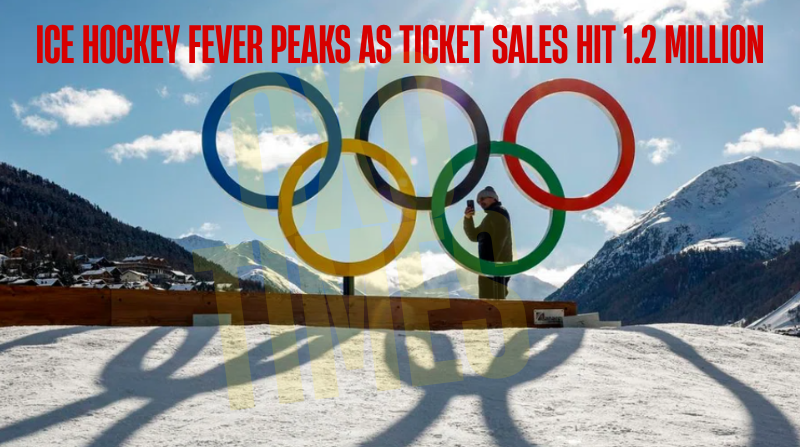
While not as prominently advertised, ice hockey remains a highly sought-after sport in the live setting of many nations. Despite not being anticipated just ten years ago, hockey’s popularity has grown significantly, with almost 1.2 million tickets sold in different leagues and tournaments.
What was the reason behind this groundbreaking achievement? Ice hockey today is fast-paced, intense, emotional, but also enjoyable due to its high caliber of competition, significant fan base, cultural significance and global reach.
Record-breaking weekend of ticket sales
The numbers are the key to success. The popularity of hockey tickets is on the rise, with many regions selling more tickets than those for football, basketball, or baseball. This increase can be linked to professional leagues, international competition and fierce rivalry matches…. Major cities are experiencing a surge in resale prices due to the high demand for season tickets, which are quickly disappearing from the market.
There is more than one area that is being enlarged. North America, Europe, and certain parts of Asia are showing a growing interest in hockey. Why?
What factors are driving the popularity of arenas?
Speed, Skill, and Spectacle
Unlike football, ice hockey requires players to be physically active and have high levels of energy. Fans can never get enough of live games, with ice-shaking sounds and thrilling puck strikes being common features on television. Live games are no exception. The increased speed and skill of these players make them outstanding athletes…more…
A New Generation of Superstars
Ticket sales have increased due to the presence of young hockey stars. The sport is being represented by these players who are not only exceptional but also noteworthy. Casual fans are drawn to their innovative and engaging personalities, especially in light of the viral social media moments. Young fans’ online engagement with teams and leagues has resulted in a growing sense of loyalty among them.
World championships attract worldwide attention
The tournaments have greatly increased the popularity of international hockey. Major tournaments attract a global audience and combine national prestige with top-tier competition. When the countries compete, there is a great deal of fan interest and matches are often called off months before. These tournaments’ success has spurred the investment of money into local programs, resulting in an established talent pool for long-term success.
Expansion Into Non-Traditional Markets
Cities with a less established hockey culture are showing more interest in the sport, leading to its growth in new areas. Through the introduction of new teams, improved arenas, and targeted advertising in fresh markets, hockey is being introduced. Families and new fans are finding hockey at local community events and on the cheap, with ticket sales showing a significant increase in popularity.
Hockey is a sport that can only be watched live
Atmosphere That Rivals Any Sport.
One of the reasons why hockey fans stay at these venues is because they can appreciate the unique atmosphere inside. There’s something for everyone in hockey, from the dazzling lights at the beginning of play, to goal-scoring celebrations — all while creating atmosphere. Vibrations and musical sounds create emotional connections that transform passers-by into fans.
Other sports are more affordable compared to other sports. Why?
While hockey has enjoyed significant public attention, its ticket prices have remained relatively low in comparison to other major sports. A balanced approach attracts both younger supporters and families.
Broadcast success Live Demand Feeding
The popularity of television and streaming has led to increased ticket sales. The increased level of production quality and thorough analysis has made hockey more captivating to new audiences. It’s interesting to note that as the broadcasts improve, they tend to encourage fans to attend the game in person.
Product, culture and style appeal?
Hockey is not limited to ticket sales. There is a rise in sales and social media engagement. More and more, sports teams are being adorned with team jerseys and limited edition clothing, while hockey culture is reaching a wider audience through music and pop culture collaborations.
The future’s bright and engaging through youth participation
Increasing youth participation plays another key role in attendance growth. Hockey participation among children has increased due to development programs that emphasize inclusivity. Childhood fans and families often attend games when children play, leading to their long-term involvement in the sport.
The economic impact and local advantages?
On game days, local economies are boosted by the presence of restaurants, hotels and small businesses in sold-out arenas. Major hockey events can bring in millions of dollars to host cities, making the sport more attractive to local governments and investors.
Successive challenges are a common occurrence
Yet, this quick expansion poses difficulties. To avoid losing fans or tarnishing the in-arena experience, teams and leagues must ensure that rising demand stays on the pitch. While avoiding over-commercialization, maintaining the sense of hockey’s patriotism and community spirit is imperative.
What the 1.2 Million Milestone Really Means
The sales of almost 1.2 million tickets are not just numbers, but also a reflection of how the sport of ice hockey is being approached from obscurity to global entertainment. By showing the ability to evolve and stay true to its roots, it inspires confidence from fans, sponsors, and players.
The moment to celebrate has arrived for hockey
Hockey games have gained popularity, with almost 1.2 million tickets sold. The sport is experiencing a momentous period, thanks to exhilarating competition, celebrity status, international reach, and an unparalleled live entertainment experience.