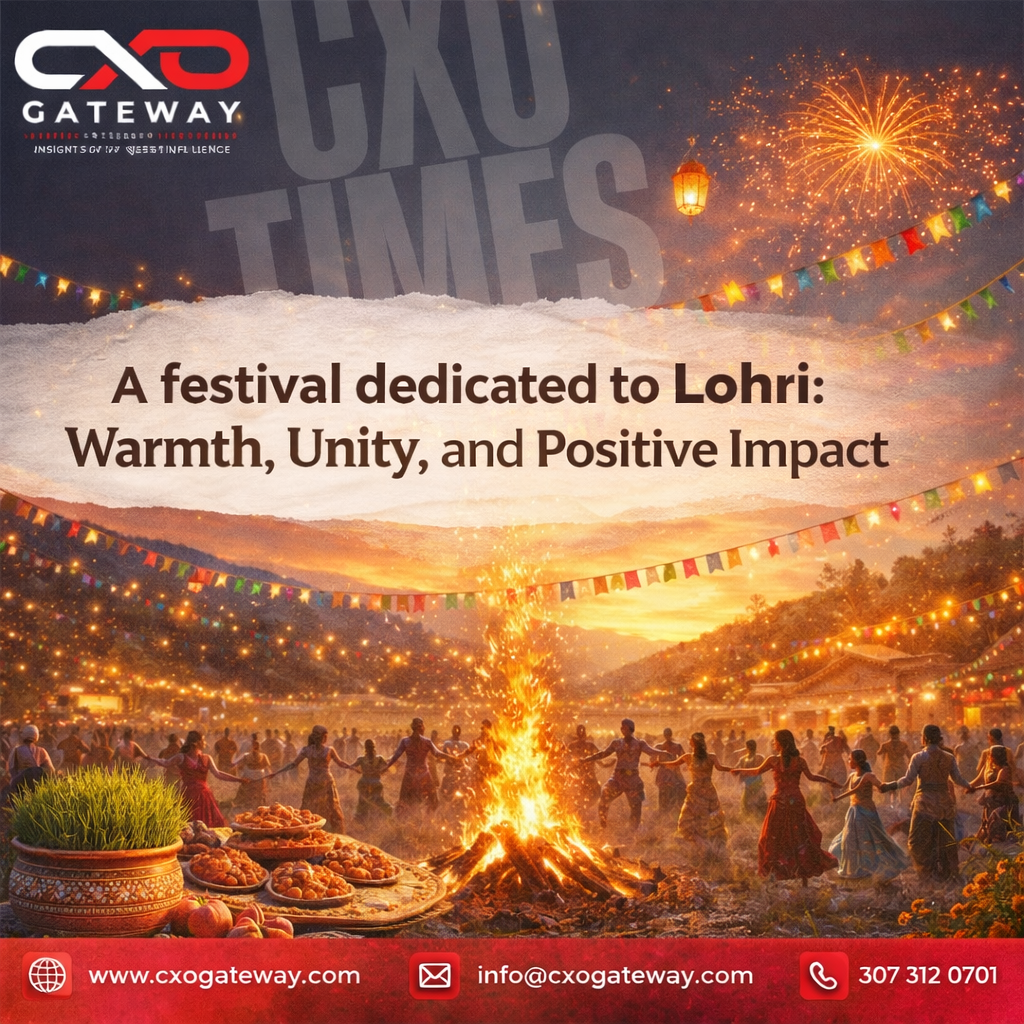
In North India, particularly in Punjab, Haryana, Himachal Pradesh, and parts of Delhi and Jammu, Lohri is not just a festival but also characterized by its intense celebration. The end of winter in Lohri, celebrated every year in mid-January, is a time of longing and excitement. This is a time of gratitude, joy, and togetherness, where communities come together to celebrate life, harvest, rejoice, embrace hope.
But now, Lohri has expanded beyond its traditional presence to become a positive influence on society, of friendship and cultural respect. Society is forever changed as families come together around the bonfire, singing folk songs and sharing sweet treats..
The Cultural Value of Lohri?
The Punjabi culture and folklore have a strong association with Lohri. It’s celebrated on the day before Makar Sankranti, and is closely tied to the agricultural calendar. For farmers, Lohri is a moment of calmness after months of hard work, when crops like Rabi are starting to turn green.
Dulla Bhatti, a Punjabi folk hero during the Mughal reign, is also associated with the festival due to his legend. Lohri is a time when songs showcase our commitment to courage and giving back, while also sharing meaningful stories about the preservation of history.
A symbol of radiance and renewal, the bonfire
At the focal point of Lohri is the bonfire.’ Sesame seeds, jaggery and peanuts, popcorn and sugarcane are offered as offerings at the tomb-lit hour when people gather around it. The fire symbolizes warmth and positivity, shedding the negative energy of last year. Why?
The family gathers around the bonfire, hoping for prosperity, health, and happiness.. Community connections are reinforced by this ritual and the need for human interaction in a digital age. The bonfire is a sign of renewal, offering hope for rebirth.
Celebrating Together and fostering Community spirit.
Lohri’s beauty lies in its ability to bring together individuals from all walks of life. Neighbors, friends and families gather to celebrate, eat together, dance to traditional music and say hello.Hello!
Kids have a distinct aspect by going door to door, singing folk songs and gathering goodies. Sharing and cultural heritage are taught to them in this joyful tradition. “…
Urban parks and cultural centers are hosting community Lohri events, which are becoming increasingly popular. The. Those gatherings promote camaraderie and help maintain traditions, particularly for those who are younger and far away from their families.’
Cultural Values of Traditional Foods
The food served to Lohri is of great importance, as it carries cultural significance. Traditional treats like.
- Rewri.
- Gajak.
- Til laddoos
In the winter months, a diet of peanuts, popcorn, and other foods provides warmth.
By sharing these foods, one can demonstrate generosity and gratitude. Shared goods among family and friends reinforces the idea of community.
Despite the inclusion of new flavors in modern Lohri menus, traditional dishes remain central to the celebration, with a balance between authenticity and change.
Lohri and its positive social impact
Besides the festivities, Lohri advocates for gratitude, harmony, and appreciation towards nature. This promotes appreciation for the efforts of farmers and the importance of local backing.’
Several groups use Lori as an occasion to plan charitable events, such as providing warm clothing and food to those in need during the winter season. These programs demonstrate how cultural practices can promote social good by spreading warmth through benevolent actions.
Responsible celebrations and environmental awareness
Lohri celebrations are becoming more oriented towards the environment. Despite the traditional use of wood and agricultural waste in bonfires, communities are now adopting more sustainable practices. The.
Numerous individuals are opting for smaller bonfires, utilizing natural resources, and emphasizing music and storytelling. The decision is an effort to honor tradition and preserve the natural world while also preserving Lohri for future generations.
Lohri in the Modern World
Lohri is celebrated across the globe, from Canada and the UK to Australia and beyond, thanks to the dissemination of Punjabi culture. Traditional dance and food traditions are celebrated in Punjabi community events.
Social media platforms allow people to share their photos and stories, keeping Lohri’s enduring presence in the minds of younger generations.
Lohri’s essence remains unchanged despite modernization—it celebrates life, warmth, and togetherness.
Restoring Traditions to the Next Generation
One of the most significant aspects of Lohri is its cultural conservation. Children are exposed to stories, songs, and customs by their elders, who maintain traditions.
Kids are taught about gratitude and the importance of belonging, through rituals that influence their daily behaviors…. Through her involvement of younger generations, Lohri maintains a living tradition.
At last, respect the True Spirit of Lohri
Lohri is more than just a fire and cake festivity; it’s about positivity, camaraderie, and celebrating one’self. The connection between humans and nature is respected, the importance of society is acknowledged, and warmth is spread throughout the winter season.
Despite the fast pace of life, Lohri is a symbol of simple pleasures like gathering with loved ones over tea, sharing meals, singing in the choir and saying “hi.”. Its value and community are nourished by it all year long, not just during the festival.
During Lori’s celebration, we hold onto the belief that togetherness is eternal.